

Chemviron carbon

European Operations of Calgon Carbon Corporation

Chemviron Carbon: Activated carbon in Process water and condensate tre

Home > Applications > Industrial Processes > Process Water and Steam Condensate

Process Water Treatment

Even when the incoming process water is from a municipal drinking water source, the water may contain residual tastes, odours, disinfection by-products, and free and combined chlorine that could impact on the food or chemical process. Molecules with carbon-sulphur bonds often smell and taste bad, but these are often preferentially adsorbed on carbon. The same is true of molecules with aromatic rings. Carbon's de-chlorinating capability results from its ability to act as a reducing agent that reacts with strong oxidizing agents such as hypochlorous acid or chlorine dioxide. Activated carbon such as Filtrasorb® 200, which meets the Food Chemicals Codex testing protocols, is an effective treatment to assure water that is contaminant, taste and odour free.

  • Chloramine: The chlorination of drinking water can also result in the formation of chloramine by-products in water. These compounds exist in water in three forms: monochloramine (NH2Cl, at pH>7), dichloramine (NHCl2, at pH 4.4-7) or trichloramine (NCl3, at pH <4.4). Because of the pH range, monochloramine is the most common. Until now, this compound has been the most difficult to remove using activated carbon. However, Chemviron Carbon's CENTAUR® carbon, has catalytic properties as well as adsorption properties, which makes CENTAUR® more effective in monochloramine removal than standard activated carbons. Now the removal of all types of chloramine is feasible and cost effective.
  • Trihalomethanes (THMs): THMs and halocarbons are among a special group of VOC’s. The more chlorine substituted on a molecule, the more strongly it is adsorbed on carbon, so carbon-chlorine or carbon-bromine compounds are better adsorbed than carbon-hydrogen compounds. THMs and halocarbons vary from weakly- to strongly- adsorbing. Carbon requirements can, therefore, vary according to the concentration of common THM and halocarbon contaminants and the type of carbon used. Chemviron Carbon offers special Filtrasorb® products using a unique coal base, creating a fine pore structure targeted toward the adsorption of THMs and halocarbons.
  • pH and Alkalinity Control: Other aspects of process water which can affect the character of the finished product are pH and alkalinity. To assure the stability of the carbon treated water, Chemviron Carbon has two lines of Filtrasorb products: Filtrasorb® pH for control of pH rise alone; or Filtrasorb® pHA for the control of pH and alkalinity rise. The mechanism responsible for the pH excursion is an interaction between the anions present in the water (SO4, Cl, NO3, etc.), the hydroxide ion (OH-), the hydronium ion (H3O+), and the surface groups of the activated carbon. The magnitude and duration of the pH and alkalinity excursions depend upon the type of carbon and the characteristics of the water to be treated, especially the water pH. Chemviron Carbon's two lines of pH patented products overcome these effects while allowing the benefits of carbon adsorption to be realised.

Condensate Water Treatment

Water used for steam generation in power plants and some other processes requires high quality standards. When used, steam/condensate becomes contaminated by oil, hydrocarbons and other organic compounds from lubrication machinery drives and leaking seals. The condensate is usually returned to boilers for steam generation. If not removed, impurities and oils can increase scaling in the boiler reducing thermal efficiency, plug valves and foul ion exchange resins in condensate polishers.

Condensate recycle systems require an activated carbon with very low silica, magnesium, and calcium leaching characteristics. High pressure boilers are sensitive to silica (SiO2) as it volatilises with the steam and then deposits on turbine blades. Hardness, calcium and magnesium ions deposit in boilers as carbonates. LSI 8x30 has been developed to meet these demanding requirements.

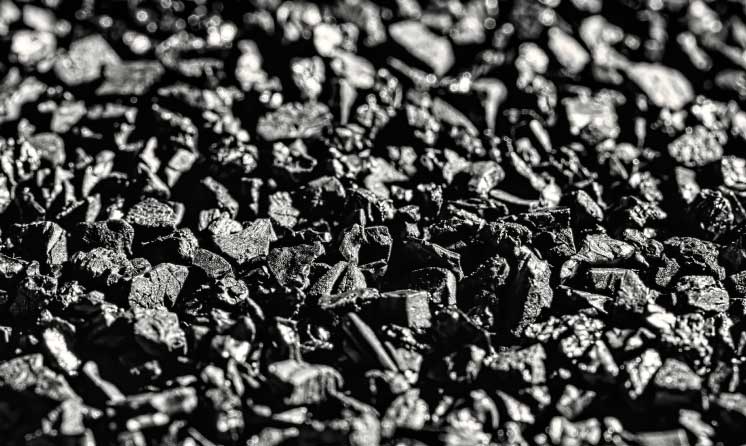
LSI 8x30 is a high purity granular activated carbon designed for the purification and decolourisation of aqueous and organic liquids where low ash and low leachables content are required. LSI 8x30 is particularly suited to the treatment of steam condensate for recovery.

The benefits of condensate treatment and recovery with LSI 8x30 include:

  • Lower water treatment costs as less make up water is required with the condensate recovery.
  • Lower waste water treatment cost as condensate is recovered rather than going to waste.
  • Lower energy cost as hot condensate is recovered and higher thermal efficiencies in the boiler.