Chemviron carbon

European Operations of Calgon Carbon Corporation

Landfill Leachate and Remediation with Activated carbon

Home > Applications > Effluent Water Treatment > Landfill Leachate/Remediation

Landfill Leachate Treatment

Granular activated carbon, in combination with biological pretreatment, is a proven and economical technology which is effective in reducing Chemical Oxygen Demand (COD), Adsorbable Organic Halogens (AOX), pesticides, solvents, organic compounds and other toxic substances to the strictest legal National and EC norms. The chemical composition and content of landfill leachate can vary greatly between landfill sites. The age of the landfill, type of waste and treatment processes already in operation are the parameters to be considered.

COD levels can range from 200mg/l to 2000mg/l. Carbon consumption is normally dependent upon the COD adsorption rather than the AOX. Therefore COD will be the determining factor in estimating carbon consumption.

The amount of GAC to be installed is related to the flow to be treated, but equally to the organic load and the treatment objective.

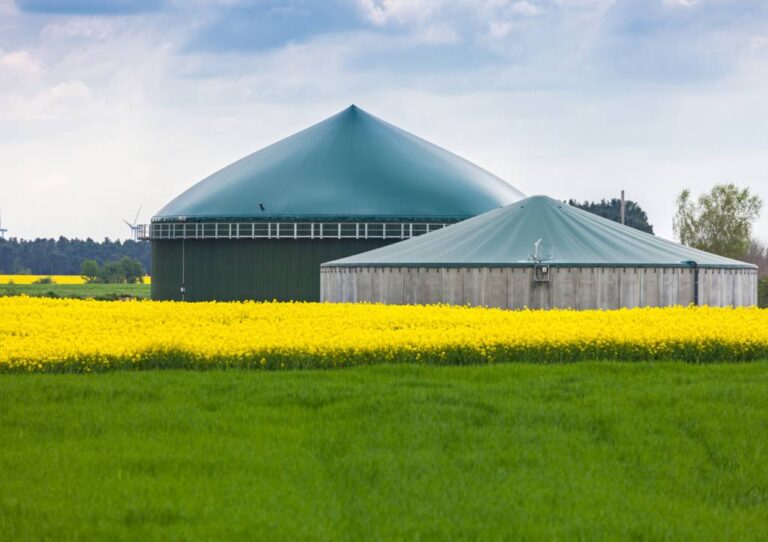
Granular activated carbon in combination with biological pretreatment is the leading technology for the treatment of landfill leachate and is now used at over 50 sites in Europe for this application. In addition activated carbon is used to treat biogas generated in the landfill, prior to using it as a fuel for electricity generation.

Full turnkey LTU20 Adsorption system for landfill leachate treatment


Groundwater Remediation

Activated Carbon is also used extensively in the remediation of contaminated groundwater. Groundwater may be contaminated through historical industrial land use or through more recent accidental spillage or leaks.

In order to ensure protection of the environment or to facilitate redevelopment of contaminated land, clean up is essential. Activated Carbon can be used in:

  • Funnel and Gate – Encapsulation that allows a preferential route through an excavated carbon gate.
  • Direct pump and treat – Where the contaminants adsorb well from the liquid phase the groundwater can be pumped directly through a carbon filter.
  • Air Stripping – For more volatile contaminants in groundwater activated carbon can be used after an air stripper.

Recycling by Thermal Reactivation

Once granular carbon is saturated or the treatment objective is reached, it can be recycled, by thermal reactivation, for reuse. Reactivation involves treating the spent carbon in a high temperature reactivation furnace to over 800°C. During this treatment process, the undesirable organics on the carbon are thermally destroyed. Recycling by thermal reactivation is a highly skilled process, to ensure that spent carbon is returned to a reusable quality. Chemviron Carbon operates Europe’s largest reactivation facilities and daily recycles large quantities of spent carbon for a diverse range of customers. Recycling activated carbon by thermal reactivation meets the environmental need to minimise waste, reducing CO2 emissions and limiting the use of the world’s resources.

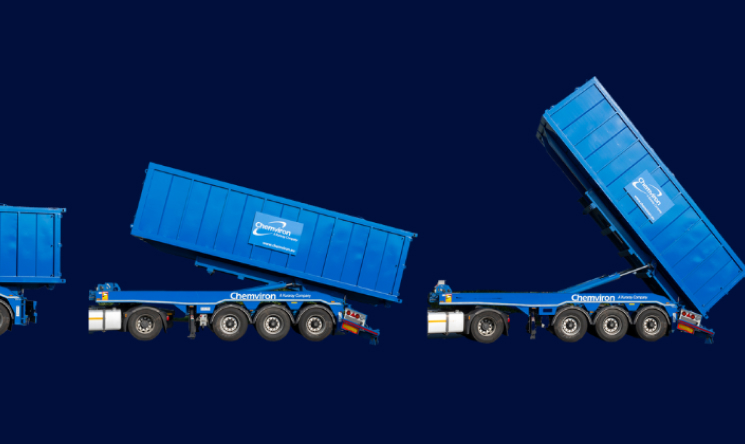
MA20 Mobile adsorbers


LTU10 Adsorption system