Spent Carbon Recycling through Thermal Reactivation

Reactivation

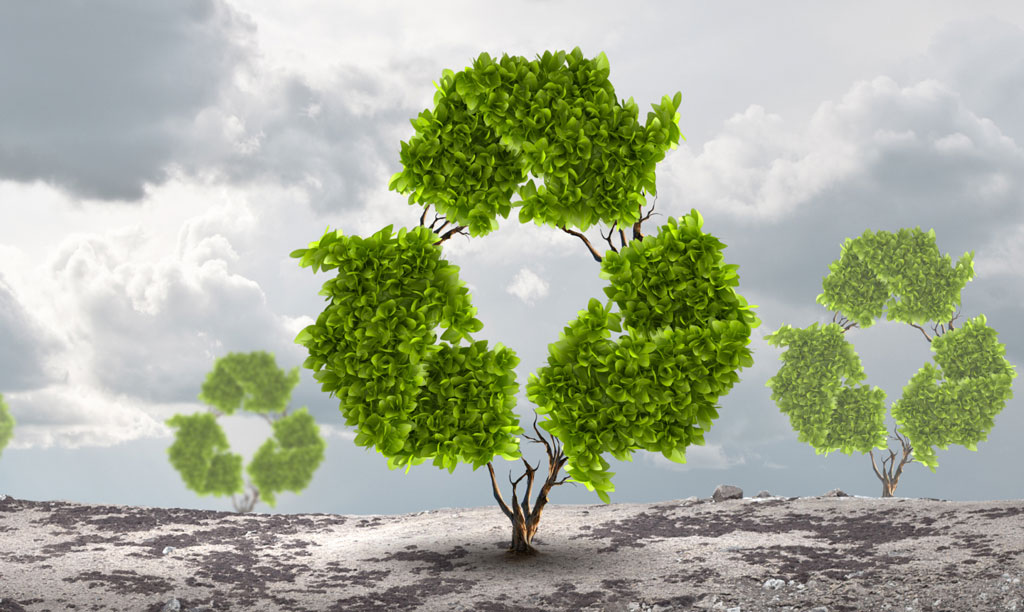
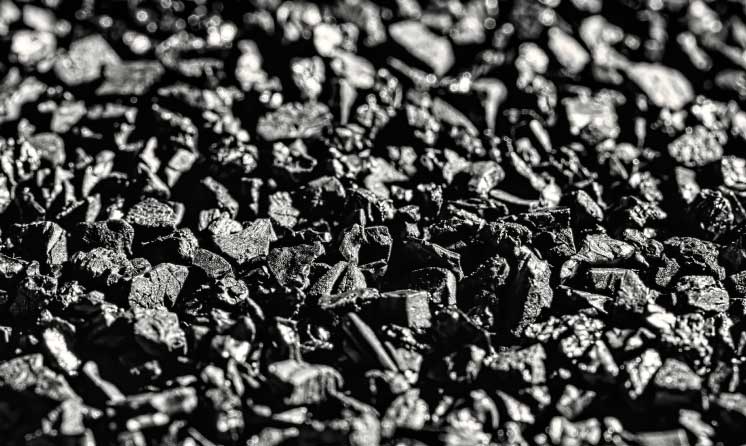
Once granular carbon is saturated or the treatment objective is reached, it can be recycled, by thermal reactivation, for reuse. Reactivation involves treating the spent carbon in a high temperature reactivation furnace to over 800°C. During this treatment process, the undesirable organics on the carbon are thermally destroyed. Recycling by thermal reactivation is a highly skilled process, to ensure that spent carbon is returned to a reusable quality. Chemviron Carbon operates Europe’s largest reactivation facilities and daily recycles large quantities of spent carbon for a diverse range of customers. Recycling activated carbon by thermal reactivation meets the environmental need to minimise waste, reducing CO2 emissions and limiting the use of the world’s resources.

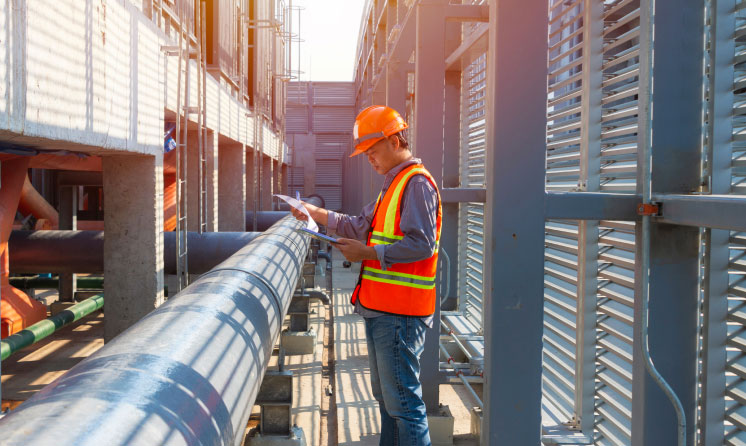
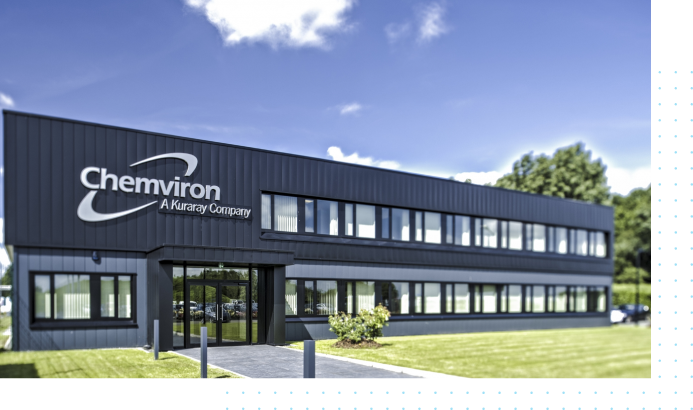
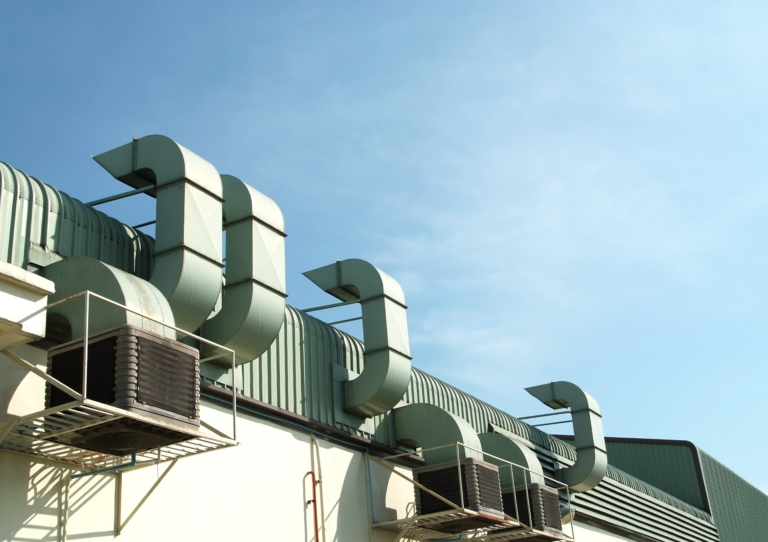
Activated carbon reactivation facility

Chemviron Carbons Reactivation Facilities are dedicated to:

  • Drinking water (potable) and food grade carbons
  • Industrial, chemicals and environmental treatment

Carbons are handled specifically to the needs of the customer, offering:

  • Custom reactivation – customer's own carbon is reactivated and returned back to their facility.
  • Pool Reactivation – carbons of a similar specification reactivated together.
  • Take back and virgin supply – When a carbon is not required back by a customer Chemviron Carbon can reactivate and recycle for other applications.

Feluy Activated Carbon Regeneration

At Feluy, approximately 50 km south of Brussels in Belgium, Chemviron Carbon operates the world's largest Reactivation Centre. A Reactivation Centre is also located in Grays, Essex serving Customers in the United Kingdom. Both are designed to meet tough air quality regulations making the application of GAC, an environmentally friendly solution. Our Reactivation Centres are ISO9001 and ISO14001 accredited, for Quality and Environmental management systems, respectively.  In addition, our site in Feluy, Belgium, is the only carbon reactivation facility in the world with ISO22000 accreditation, for our Food Safety Management System (FSMS).

Activated carbon reactivation cycle


Click here for more information on Activated Carbon Reactivation

React logo